What Happened
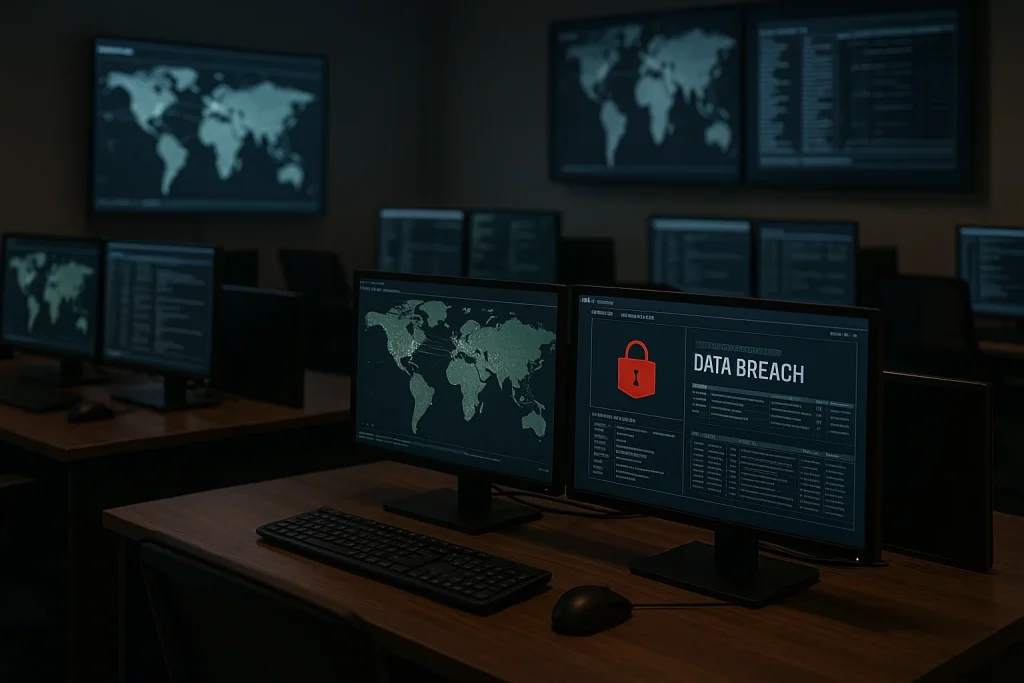
The recent Bank3 Data Incident has raised significant concerns about data security and consumer protection. On July 25, 2025, Bank3 experienced an external system breach, which was not discovered until February 4, 2026. The breach, characterized as a hacking event, prompted the company to issue written notices to affected individuals by April 15, 2026. While details are limited, it is crucial to understand what this incident means for you and how to take immediate action.
What Information Was Exposed
The breach potentially exposed sensitive personal information, including names, Social Security numbers, driver’s license numbers, and financial account numbers. Such data exposure elevates the risk of identity theft and fraudulent activities. It’s important to thoroughly review any notice received from Bank3 to understand which specific data elements related to you might have been compromised.
Legal Rights and Lawsuits
In the wake of the Bank3 Data Incident, you may have legal rights under state laws that govern data breaches. These rights can include timely notification, access to identity protection services, and potential claims if it is determined that the company failed to implement reasonable safeguards. Each case is unique, and consulting a legal expert is crucial to understand the nuances of your situation.
Wucetich & Korovilas LLP, a leader in data breach litigation, is well-positioned to offer guidance and representation. Our firm is committed to providing clear explanations and actionable advice to those affected by data breaches. To discuss your legal options, call us at (310) 736-1968.
How to Protect Yourself
- Review Your Notice: Carefully read your Bank3 notice to identify what information was involved and any deadlines for enrolling in protection services.
- Enroll in Identity Monitoring: Bank3 has offered 12 months of TransUnion Identity Theft & Monitoring. Utilize this service to safeguard your personal information.
- Monitor Financial Accounts: Regularly check your bank and credit accounts for unauthorized transactions or new accounts.
- Consider a Fraud Alert or Credit Freeze: These measures can prevent new accounts from being opened in your name.
- Update Passwords: Change passwords for important accounts, especially if you have used the same credentials across multiple sites.
- Document Suspicious Activity: Keep records of any unusual activity and consult with legal counsel if needed.